Home Health & Energy IQ Audit
25-point diagnostic check of your home $99.99
Here are the topics & what we audit, test, and score for you:
🛡️ 1. Exterior Armor & Wood Rot
- Foundation-to-Siding Gaps: Spotting where unconditioned air and pests sneak in.
- Weatherstripping & Caulk Integrity: Testing window/door seals and plumbing entry points for drafts and moisture leaks.
- Trim & Frame Decay: Hunting down early-stage wood rot on rooflines, fascia, and door jamb bases before it spreads.
- The Attic Hatch Chimney Effect: Checking if your attic access panel is stealing your conditioned air.
Insulation & Drywall Performance
· Attic Insulation Depth: Measuring total coverage and depth to ensure it meets peak R-value efficiency benchmarks for the region.
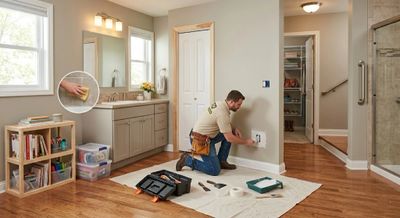
· Wall Outlet Draft Test: Checking exterior-facing electrical plates and switches for hidden wall insulation gaps using a thermal or physical draft check.
· Sheetrock Finesse: Pinpointing stress cracks, tape joint separation, and cosmetic ceiling nail pops caused by standard seasonal shifting.
· Access Panel Fit: Inspecting attic or crawlspace access doors for proper insulation backing and snug seals to prevent heat transfer.
· Corner Bead Cornering: Scanning high-traffic wall corners for chipped mud, cracked metal corner beads, or impact damage that needs structural re-strapping.
· Window/Door Frame Caulking: Inspecting the interior perimeter where drywall meets window and door trim for hairline gaps that let raw air pass through.
· Baseboard Threshold Gaps: Checking for gaps between the bottom of the drywall sheet and the subfloor behind the baseboards, which can allow drafts to sneak up from crawlspaces or slabs.
3. Cabinetry & Millwork Fit
- Structural Sagging: Checking for kitchen/bathroom cabinet back-panel or drywall separation due to weight or loose anchors.
- Operability & Alignment: Squaring up sticking drawer slides, adjusting unaligned hinges, and fixing dragging doors that scrape the frames.
- Under-Sink Deck Health: Flashlight inspection of the bottom wood deck beneath plumbing lines for swelling, delamination, or warping caused by slow, hidden drips.
- Hardware and Fastener Integrity: Inspecting for loose pulls, stripped hinge screws, and worn-out magnetic or mechanical door latches that fail to hold.
- Countertop and Backsplash Seams: Checking for cracked caulk or separation where countertops meet the wall, which can let moisture slip behind the cabinetry.
- Trim and Molding Gaps: Checking for separation, shrinking, or pulling away in crown molding, baseboards, and shoe molding along floors and ceilings.
- Toe Kick & Base Stability: Inspecting the bottom toe kick boards for water damage from floor mopping, physical impacts, or structural loosening.
- Door and Drawer Bumpers: Verifying the presence and condition of rubber dampeners to prevent loud slamming and wood-on-wood wear.
💨 4. System Airflow & Efficiency
- Lighting Inventory: Spotting energy-hogging incandescent or halogen bulbs that bleed cash and generate unnecessary ambient heat.
- Exhaust Clearance: Inspecting dryer vent lines for lint restrictions and verifying that exterior flap seals open fully and close tightly against pests.
- Air Filter Status: Checking for old, dust-loaded, or buckled HVAC filters that restrict airflow and strain the system.
- Register & Return Obstructions: Verifying that supply vents and return air grilles are completely unblocked by furniture, drapes, or heavy rugs to ensure proper room-to-room circulation.
- Vent Boot & Drywall Seals: Flashlight check around floor and ceiling register boots for gaps between the metal vent and the drywall/flooring that leak conditioned air into the walls.
- Window & Exterior Door Weatherstripping: Visual inspection of worn, flattened, or missing foam and rubber seals that allow conditioned air to draft out and hot/cold air to push in.
- Attic Hatch Insulation & Sealing: Checking if the attic access panel or pull-down stair lid is seating tightly and isn't letting raw attic air dump straight into the living space.